Georgia: Dangerous for Easy Investments
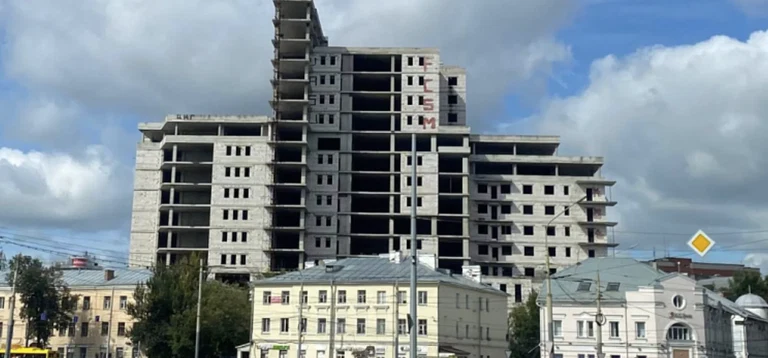
Unfinished construction
Scams in Georgian Construction: What a Home Buyer Should Watch Out For
Georgia — especially Batumi and Tbilisi — remains a magnet for foreign buyers: low prices, zero purchase tax, developer installments, and promised rental yields. The market is growing fast: according to TBC Capital, in the first quarter of 2026, the Tbilisi residential real estate market volume grew by 24% year-on-year and reached almost $941 million. But along with demand, the number of ways to extract money from buyers is also growing. Below are the most common schemes and how to protect yourself.
Typical Schemes
Long-term construction and 'ghost houses'. The cheapest housing is sold at the foundation stage, and by completion the price often almost doubles. The problem is that some projects are not completed for years or are handed over 'in concrete' — without utilities and finishing. According to numerous reviews, in Batumi there are buildings abandoned for years, with half-empty floors and crumbling finishing just a couple of years after handover.
Sea view deception. A common trick: an apartment with a panorama is sold significantly more expensive under a verbal promise that the view will not be blocked. After collecting money, the developer itself builds a new high-rise opposite, and the apartment loses value. Verbal guarantees in Georgia are worthless — only what is fixed on paper counts.
Inflated square footage and 'inflated' yields. Balconies and common areas are often included in the area, so the actual living area turns out to be smaller than advertised. And the promised 8–10% annual rental yield is calculated based on the summer season: in winter, Batumi empties out, and the actual yield is much lower than stated.
Double sales and fake documents. The same apartment can be sold to several buyers, or the transaction is conducted by a person who is not the real owner. In April 2026, a person was detained in Georgia for attempting to appropriate property using fake notarial documents — the scheme with fictitious powers of attorney occurs regularly.
How to Protect Yourself
The main tool is the National Agency of Public Registry (NAPR). This is an electronic database created partly to prevent fraud and double sales; you can check a property by its cadastral number through the official website napr.gov.ge. Before any payment, you should:
- Order a fresh extract from the registry and make sure the seller is indeed the owner and the property has no encumbrances (liens, arrests, legal disputes).
- Check that the cadastral number in the extract matches the number in the advertisement and contract.
- Ensure the developer has a construction permit — this can be verified through the same registry or at the House of Justice.
- Study the developer's past projects: were they completed on time, what do residents say. Reputation is more important than a nice reception in the showroom.
- All promises (view, deadlines, finishing, penalties for delays) should be recorded in the contract. Keep in mind that actual completion is usually several months behind the paper schedule.
And a basic rule: do not pay a deposit or advance until you have inspected the property and checked the documents. A request to 'secure the apartment with a transfer right now' is a typical sign of a scam.