Georgia Residency Permit in 2026: Debunking Myths and Forum Rumors
Georgia is one of those countries that are easy to enter and where it is relatively simple to settle down. No visa required, mild climate, friendly people, favorable taxes. It's no wonder people come here—from Russia, Belarus, Ukraine, and dozens of other countries. But there is a nuance. Half of what is written about Georgia's residency permit on forums is outdated. In 2025–2026, the rules have been significantly overhauled, and old schemes like "bought an apartment for a hundred grand and got a residence permit" no longer work as before. Let's break it down step by step. No fluff and no promises that everything is easy.
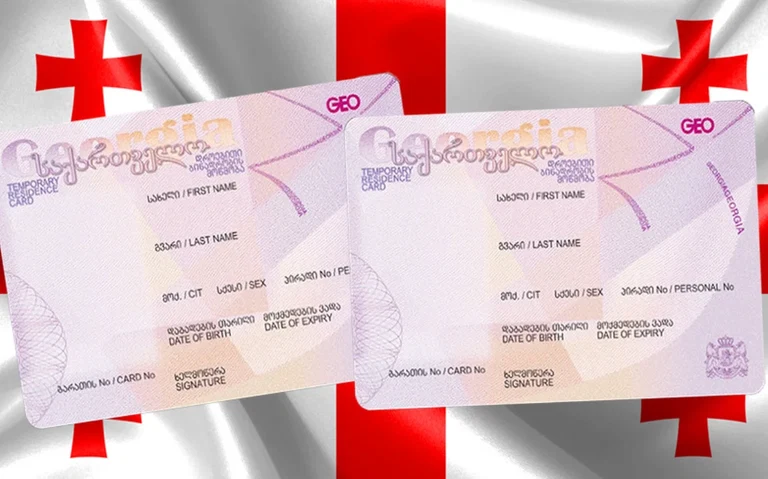
First, Honestly: Do You Even Need a Residency Permit?
A strange question for an article about residence permits, but an important one.
Citizens of many countries—including Russia, Belarus, and about 90 other states—can stay in Georgia without a visa for up to one year. A whole year. Simply upon entry.
So if you are coming for a few months, not working on the local market, and not tied to the country document-wise, you may not need any status yet. Visa-free stay is enough.
A residency permit becomes necessary when you want something more: work for a Georgian company, run a business here, study, bring your family, or build a path to permanent residence and citizenship.
If that's about you, read on.
On What Grounds Is a Residency Permit Granted?
The law provides several grounds. Here are the main ones that actually work.
Employment (work). You have found a job with a Georgian company and formalized it. Previously, it all boiled down to an employment contract. Now it's different, and more on that below.
Entrepreneurial / Investment. You run a business through a Georgian structure or invest money in the country's economy. The investment option has separate, much higher thresholds.
Real Estate. You own property above a certain value. This also changed in 2026—the figures have increased.
Study. You have enrolled in a Georgian university or other educational institution—you get a residency permit for the duration of your studies.
Family Reunification. This applies if your spouse, child, or parent is a resident or citizen of Georgia.
There are also less common grounds—humanitarian, for former Georgian citizens, for victims of human trafficking. But most people go through the first five.
What Changed in 2026—and This Is the Main Thing
Here's why it was worth opening the article. Three key changes that break the old schemes.
1. Real Estate Became More Expensive
Previously, for a residency permit based on real estate, owning a property worth at least $100,000 was enough. From March 1, 2026, the threshold was raised to $150,000.
Apartments, houses, land (except agricultural), and commercial properties qualify. But now it's not enough to just own—you need a report from a licensed appraiser confirming the market value is $150,000 or higher.
Important detail: the law does not have retroactive effect. If you bought a property earlier and are renewing your residency permit, the old rules apply. New rates are only for those applying for the first time after March 1.
A residency permit on this ground is issued for one year, then renewed. Spouses and children can also obtain status.
2. Working "Tourist-Style" Is No Longer Allowed
This is the most serious change. Previously, many freelancers and remote workers lived in Georgia on visa-free status and worked freely. That loophole has been practically closed.
Now there is a separate concept—right to work (commonly known as PTD). The scheme is now: first you get a work permit, and only then do you apply for a work-based residency permit. Not the other way around.
Under the new rules (regulations came into effect in spring, with further tightening in summer 2026), authorities check not only your contract but also the company itself—whether it is real, pays taxes, and conducts genuine activities. For legitimate businesses, this is not a problem. But companies that hired foreigners "for show" have almost no room to maneuver.
However, there is an important exception. If you work fully remotely for foreign clients—that is, your activity does not concern the Georgian market—you generally do not need to obtain a PTD. This applies to both employees of foreign companies and individual entrepreneurs who only work with foreign clients.
The line between "concerns Georgia" and "does not concern" should be clarified for your specific case—there are many details, and a mistake can cost your status.
3. Investment Residency Permit—Also More Expensive
A separate story is the investment residency permit. Do not confuse it with the ordinary real estate-based residency permit.
An investment residency permit is granted for 5 years at once. The threshold is from $300,000: investment in a business or purchase of real estate for that amount. From March 1, 2026, the conditions for real estate investors have been tightened, adding another $50,000 for some scenarios.
In return—premium conditions: status for 5 years, an accelerated path to permanent residence, and a residency permit for your spouse and minor children for the same term.
But there is a strict condition: if you sell the investment property before five years and do not replace it with another investment, your residency permit will be revoked.
What This Looks Like in Practice
The general logic is roughly as follows.
You enter the country legally—visa-free or with a D visa if your ground requires it. You gather a package of documents: proof of the ground (employment contract and work permit, investment certificate, university certificate, property documents, marriage or birth certificate—depending on your case), plus proof that you have means to support yourself.
You submit an application. Then you wait.
Processing times depend on the tariff selected: 30, 20, or 10 calendar days. The faster, the higher the state fee: approximately $106, $160, or $212 respectively. Plus a few days for producing the card itself.
Always check the current list of documents for your specific ground on the website of the Public Service Development Agency—it changes periodically.
How Long It Is Valid and How to Renew
The first card is usually issued for a period of 6 months to a year—depending on the ground.
Then you renew. The logic is progressive: after the first renewal, the status may be granted for 2 years; after the second, for another 3. You must apply for renewal in advance—no later than 90 days before the current card expires.
There is no limit on the number of trips abroad—you live as you like, and the residency permit does not interfere.
Next—Permanent Residence and Citizenship
If your plan is serious, here is where it all leads.
Permanent Residence. After approximately 6 years of continuous residence on the basis of a residency permit, you can apply for a permanent residence permit. For investors, the path is shorter—they can obtain permanent residence after 5 years if they meet the conditions regarding business turnover or maintaining the property.
Citizenship. General naturalization—after 10 years of continuous residence in the country. Continuity is calculated as follows: absence from Georgia must not exceed 3 months per year. And note—since 2024, the exam in Georgian language, history, and law is taken before filing the citizenship application, not after.
For spouses of Georgian citizens, the period is reduced to 5 years. Repatriates and investors in some cases can obtain citizenship without any residency requirement.
What to Keep in Mind
A couple of things that will save you from unpleasant surprises.
The ground must be chosen not "to get it now" but "to remain relevant for years." If you are planning on permanent residence and a passport, the status should be suitable for renewal throughout that path. Changing horses midstream is expensive.
Also, the law explicitly allows refusal if forged, inaccurate, or concealed information is found in the documents. Georgia in 2026 has become noticeably stricter about the grounds on which you apply and how clean everything is. So playing fair is not only right but also practical.
The rules for residency permits in Georgia change frequently—just in 2025–2026 they were amended several times. Before applying, always verify the current requirements on official resources or with a specialized lawyer for your specific situation. This article is a guide, not legal advice.